Insense is a creator marketplace where brands post UGC campaigns with a set budget and you apply from a profile. In my first four months it paid me three times: $300, $150 and $500, so $950 total and my most consistent platform for real money. The price is fixed by the campaign's range, not your rate card, roughly one in ten applications turns into a hire, and most briefs arrive with the brand's own script or shot list. Worth it for beginners with three or more portfolio videos, as long as you also pitch brands directly.
Is Insense worth it for a UGC creator who’s just starting? For me, yes: Insense paid me three times in my first four months, $300, $150 and $500, which makes it the most consistent platform I use for actual money, not product. But it’s not a magic feed of easy jobs. You apply a lot, the brand sets the price, and most of what you film is somebody else’s script. Here’s the honest version, from the creator side. I covered the big picture in my UGC platforms comparison; this one goes deeper on Insense only.
What is Insense and how does it work for creators?
Insense is a creator marketplace: brands come to it for people who will film UGC for their ads and social channels, creators come to it for briefs with a budget already attached. No finding emails, no cold pitch. The whole thing happens inside the platform.
The creator flow, as I’ve experienced it:
- Profile. You set up a creator profile with your niche, a short bio and sample videos. This is your portfolio on Insense, so it matters more than anything else.
- Campaign feed. Brands post campaigns: the product, what they want filmed, how many videos, and the budget range. Some are paid, some are product-only.
- Apply with a note. You apply and add a short message. This is where most creators waste the chance.
- The brief. If the brand picks you, you get the full brief: deliverables, the script or shot list, deadlines.
- Deliver and get approved. You upload the content in the platform, the brand reviews, you make any revisions, they approve.
- Payout. The payment comes through the platform after approval. No invoices, no “just checking in on that payment” emails.
The one thing I’d flag early: the price is set by the campaign’s range, not by your rate card. I decide whether the range works for me, and that’s it. If you like to negotiate, this isn’t the place for it; if you’d rather skip the money conversation entirely, it’s a relief.
What Insense actually paid me
Three paid jobs in four months. In order of when they happened: $300, then $150, then $500. That’s $950 total, and an average of about $317 per job, which is above the $100–$200 per video I was quoting brands directly at the time.
About the $150 one: I took it because the product fit my page and the brief was straightforward. Not a mistake, but a reminder that the campaign range decides the money, so read it before you apply and ask yourself “would I do this for the bottom of the range?”
For context on where Insense sits next to everything else I’ve tried, the full source-by-source breakdown is in how I got my UGC brand deals. Short version: platforms were my fastest route to a paycheck; direct pitching gave me my repeat clients.
How to get picked for Insense campaigns
My rough math is about one hire per ten applications. So if you apply to three campaigns and hear nothing, that’s not a sign Insense doesn’t work; it’s normal.
What’s moved the needle for me:
- Only apply where you’re an obvious fit. A skincare creator applying to a skincare campaign gets looked at; the same creator on a gaming-chair campaign doesn’t.
- Write a note that proves you read the brief. Two sentences max. Something like: “I’d open on the texture close-up, then hit the ‘fragrance-free’ point around second five, because that’s what I’d want to know as a buyer.”- Have three or more formats on your profile. Talking head, texture/ASMR, unboxing. If every sample is the same angle, the brand sees one trick. My six-video starter set covers the formats I’d film first.
- Reply within hours, not days. When a brand messages you inside the platform, they’re often messaging several creators at once. The one who answers first usually gets it.
- Deliver clean and early. Brands see your history. Every smooth job makes the next acceptance easier, and a brand that liked you once can come back.
No followers needed, by the way. Brands here are buying the video, not your reach; I had almost no audience when I got my first campaign. The three-part note I paste into every Insense application is in UGC application examples.
What the briefs look like
This is the part nobody warned me about: on Insense you mostly don’t write the script.
Most briefs I’ve gotten come with the brand’s own script or a scene-by-scene shot list, sometimes with timecodes: “0:00–0:03 hold the product up and say X, 0:03–0:08 apply and show texture.” I shoot them as written. The brand has usually tested that structure in their ads, so my job is execution, not creative direction.
What a typical Insense deliverable has looked like for me:
- Length: 15–30 seconds or 30–60 seconds, depending on the brief.
- Hooks: 1–3 hook variations per video, so the brand can test which opening performs.
- Editing: I edit in CapCut. Clean cuts, captions if the brief asks for them, nothing fancy.
- Communication: all inside the platform. I like this more than I expected, because when I need to check what was agreed, it’s all in one thread, not spread across email and DMs.
If you’ve never worked from a timecoded script before, read my UGC script template first. Once you understand the five-part structure, a brand’s shot list stops looking intimidating and starts looking like a checklist.
The flip side: if you love coming up with concepts, Insense briefs can feel restrictive. I treat them as paid practice that teaches me what brands actually want, which I then bring to my direct clients, where I do write the scripts.
Insense vs Cohley vs Aspire
I use all three at the same time, and they’ve played different roles for me.
| Platform | What I got in 4 months | Range per paid job | What it’s been for me |
|---|---|---|---|
| Insense | 3 paid jobs | $150 – $500 | The most consistent for real money on a normal brief |
| Cohley | 2 paid jobs | $50 – $175 | Early paid experience and brand names |
| Aspire | About 5 gifted collabs, then 2 paid jobs | $500 – $600 | Gifted first, then my biggest single payments |
What that table tells me: Insense is where I’d send a beginner for the first paid platform job. The budgets are realistic, the briefs are specific, the process is tidy. Aspire paid me more per job, but only after about five gifted collabs built up the history; that’s the gifted-first ladder working inside one platform. Cohley paid me the least, but a $50 job with a real brand name early on was still worth having in my portfolio.
I never joined a UGC agency, so I can’t compare Insense to having someone negotiate for you. Everything above, I did myself.
Is Insense worth it for beginners?
Yes, with two conditions.
One: have a portfolio before you make the profile. Three videos minimum, three different formats. Spend a weekend filming spec videos first, then apply.
Two: don’t make it your only route. Insense gets you paid; it doesn’t get you clients. The relationship belongs partly to the platform, the price is theirs to set, and you’re one of many applicants. My repeat clients all came from direct outreach. Run both: apply to three to five Insense campaigns a week, and pitch a handful of small brands directly in the same week.
And say yes to a couple of product-only campaigns early if the product genuinely fits your page. A gifted job done well is portfolio material and platform history, and it moves you up the ladder faster than waiting for the perfect paid brief.
Who should skip Insense: creators who only want to film their own concepts, anyone who won’t work below their rate card, and people who expect to be picked on the first application. Direct pitching will suit you better.
Where to get the brand list
Insense covers the brands that use Insense. The ones that never touch a platform, including a lot of small beauty brands I love working with, you have to reach yourself. I keep a spreadsheet of about 350 beauty brands, and the 30 that take creator applications are free at the bottom of this page, with the form or creator inbox for each one.
Use Insense for cash flow while that list starts replying. That’s exactly the mix that got me from zero to more than 15 paid videos in four months, and you can see what I’ve filmed along the way on my Instagram.
Frequently asked
Is Insense legit for UGC creators?
Yes. I've completed three paid campaigns through it ($300, $150 and $500) and every one was paid through the platform without chasing anyone. The brief, the messages and the approval all live in one place.
How much does Insense pay UGC creators?
The budget is set per campaign by the brand, not by you. My three jobs paid $300, $150 and $500. Some campaigns are product-only, so read the budget before you apply.
How do you get accepted on Insense?
Apply only to campaigns you genuinely fit, write a two-sentence note that answers the brief, keep three or more formats on your profile and reply fast when a brand messages. My rough math is about one hire per ten applications.
Do you need followers to work on Insense?
Not for UGC campaigns. Brands are buying the video to use on their own channels, so they pick from your portfolio samples and your note, not your follower count. I started with almost no audience.
Insense vs Cohley vs Aspire, which is best for beginners?
I use all three. Insense has been the most consistent for a normal brief at $150–$500, Cohley paid me less ($50 and $175), Aspire started gifted and then paid the most ($500 and $600). Join two or three and see who picks you.
I post the actual collabs, behind-the-scenes and what brands reply on Instagram.
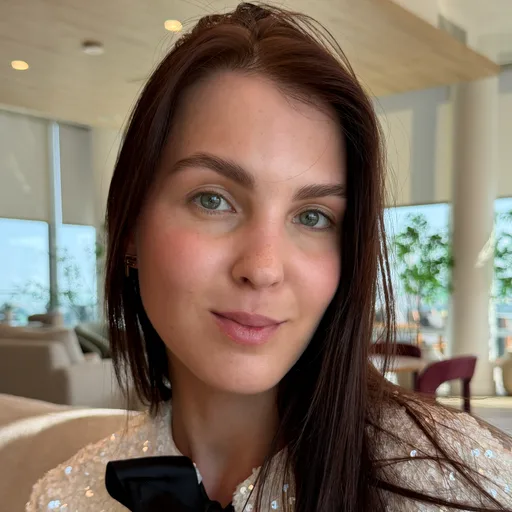
Anastasiia, NYC beauty UGC creator since spring 2026, with a stylist background. I make product videos for beauty, wellness, fashion, home and tech brands, and I write about how the business side actually works.
More about me →